Discover Oriole
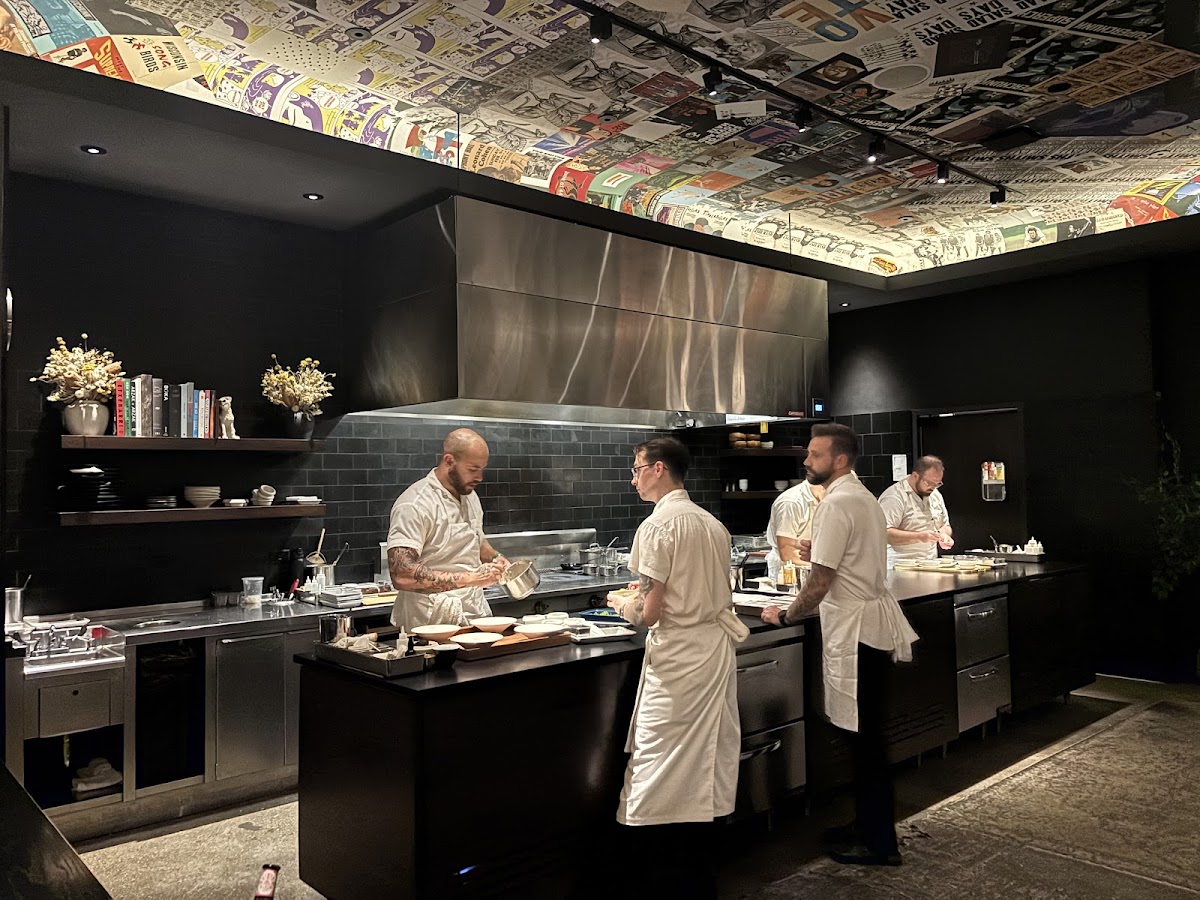
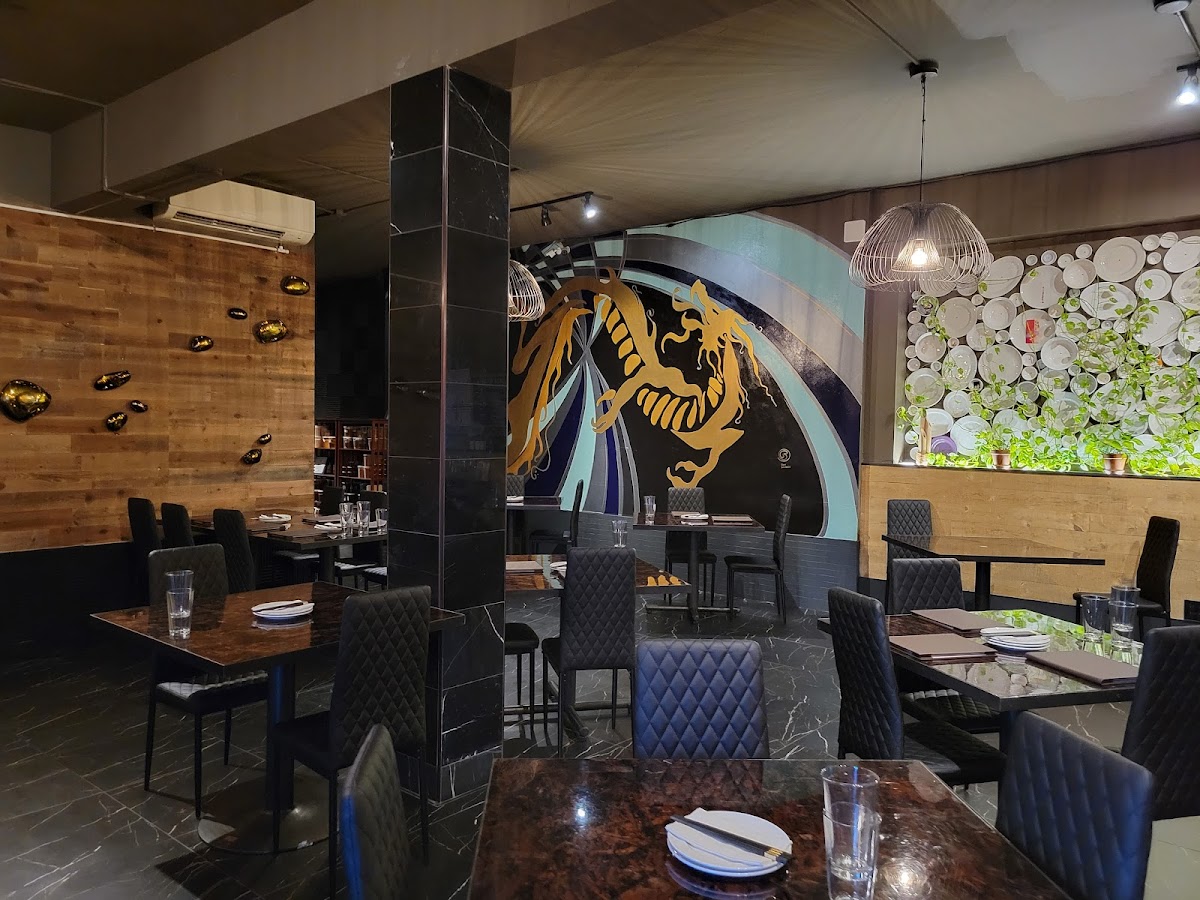
Walking into Oriole for the first time feels less like entering a restaurant and more like stepping into a carefully choreographed performance. The current location at 661 W Walnut St, Chicago, IL 60661, United States sits quietly in the West Loop, yet behind the discreet door you find a dining room that hums with purpose. I’ve eaten at a lot of fine dining spots across Chicago for work, but this one stays in my mind because of how personal the experience becomes, from the pacing of the menu to the way the staff explains each dish without sounding rehearsed.
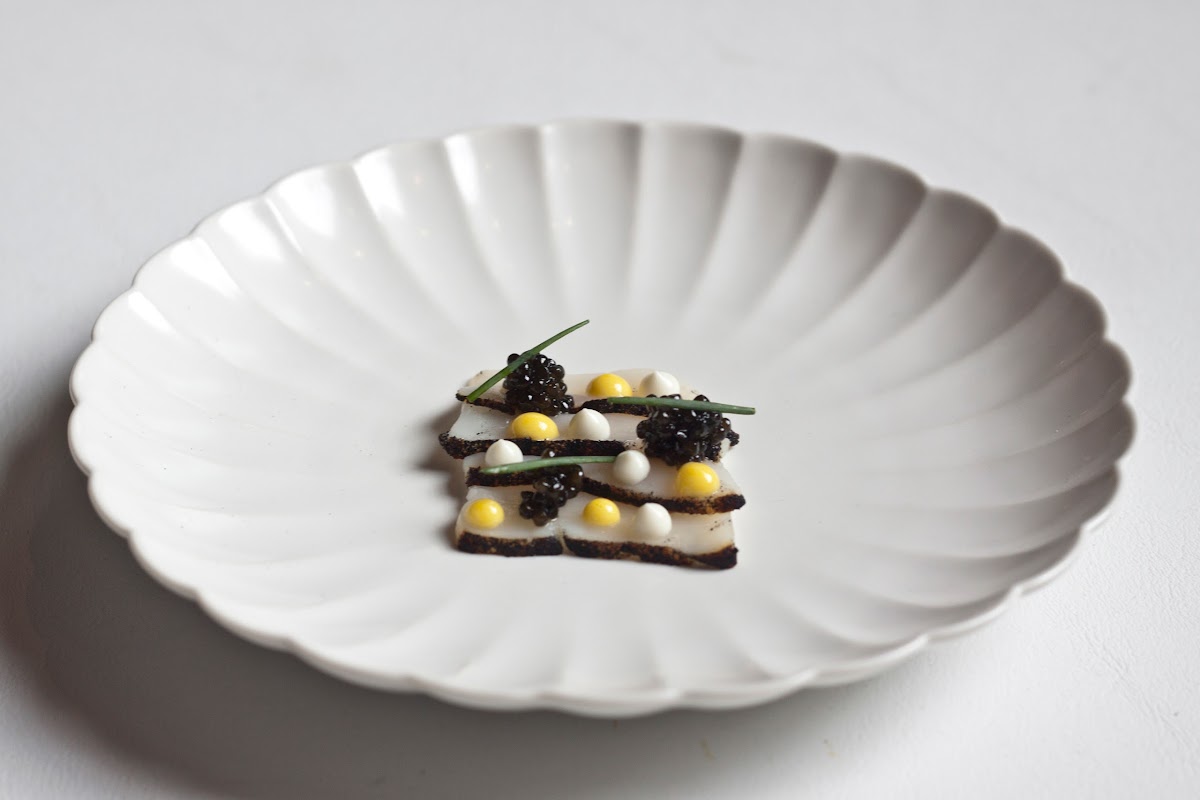
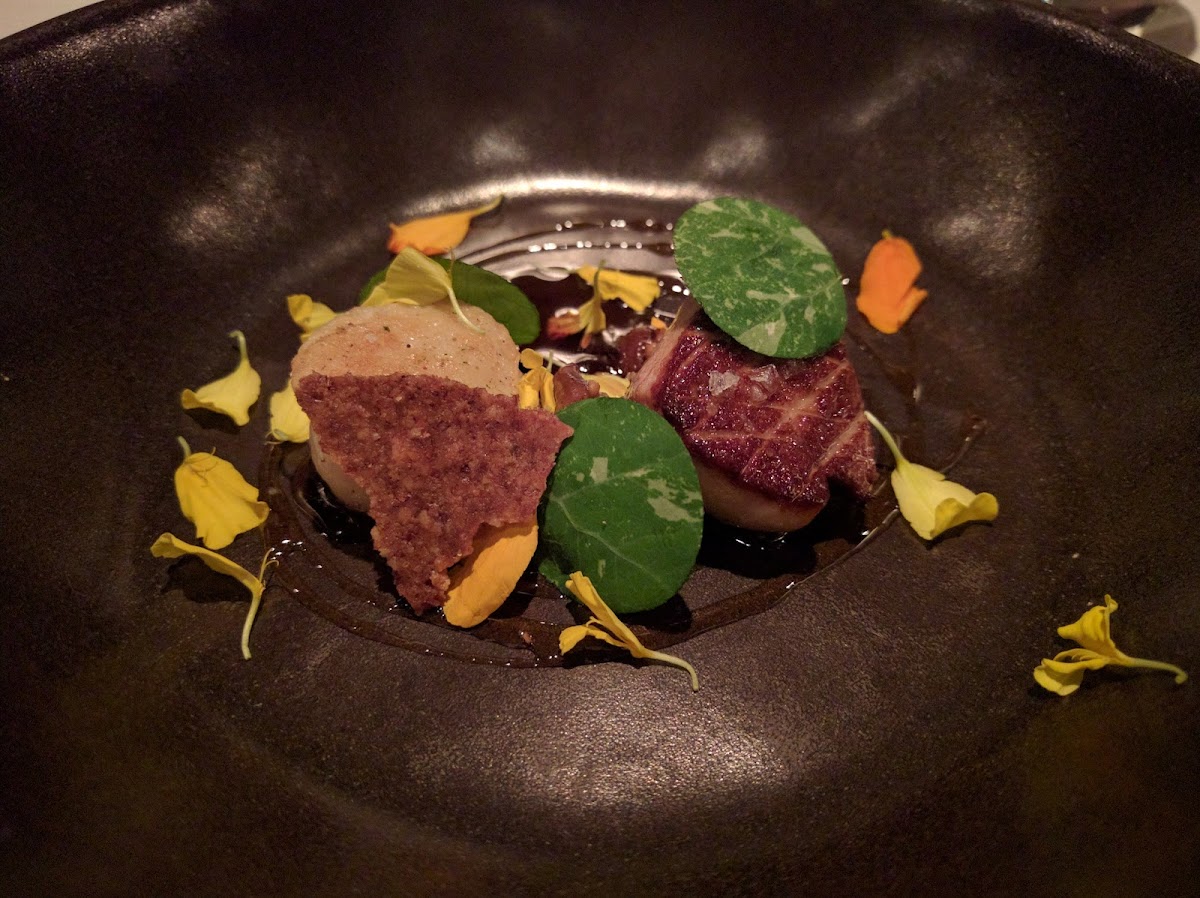
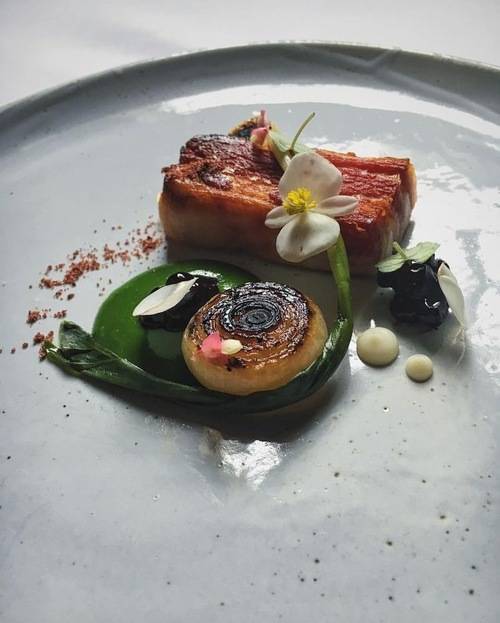
During a visit last winter, our server shared that the tasting menu evolves almost weekly based on what local farms deliver. That matches what I’ve seen in industry research from the James Beard Foundation, which notes that over 60% of high-end restaurants now build menus around short seasonal supply chains. Here, you actually taste that approach. A scallop course arrived with a broth that had been reduced for nearly eight hours, something the chef later described as meticulous patience, and the depth of flavor proved the point.
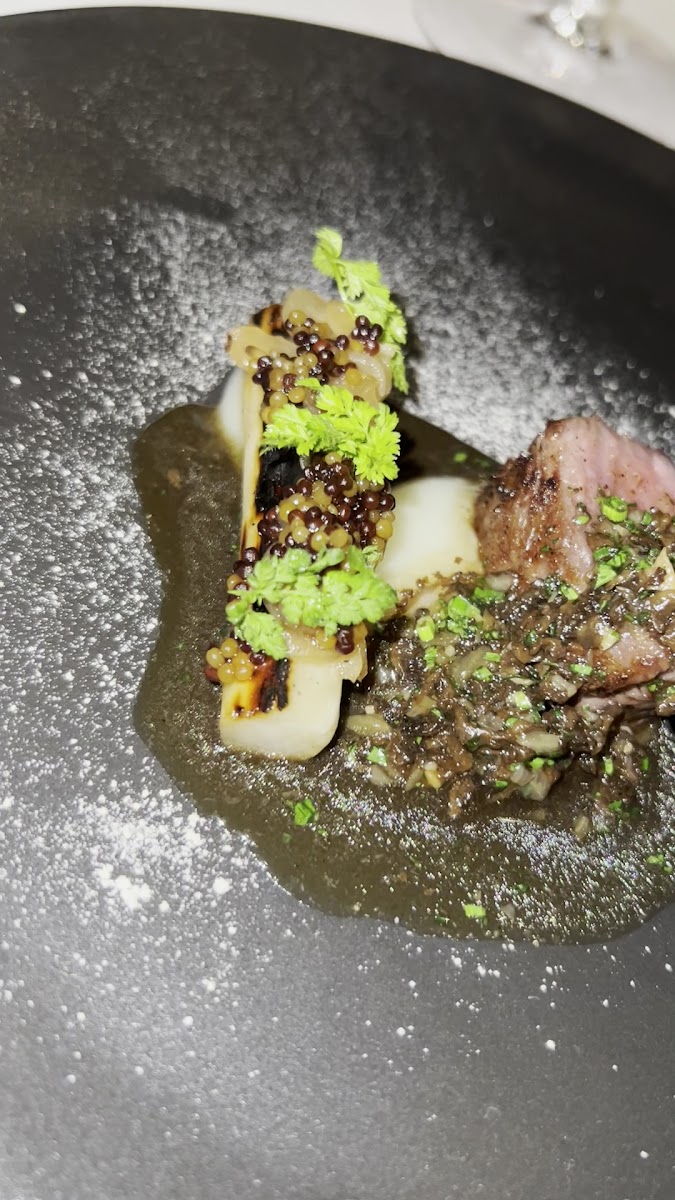
The kitchen is led by Noah Sandoval, a chef whose training includes time in some of Chicago’s most respected kitchens. His influence shows in the balance between technique and comfort. One dish might involve sous-vide duck finished over a live flame, while the next feels like a modern take on something your grandmother might have made. According to data from the National Restaurant Association, diners now rate authenticity and storytelling as top factors in choosing upscale dining, and the team here clearly leans into that with confidence.
Reviews online echo what I experienced in person. On major food platforms, guests consistently mention how the staff remembers dietary preferences between visits. I tested that myself after disclosing a shellfish allergy during a reservation call. When we arrived weeks later, the host immediately confirmed the kitchen was prepared. That level of trust doesn’t come from policy manuals alone; it comes from process. Their system logs guest profiles and flags them during menu planning, a method hospitality consultants often cite as best practice for luxury service.
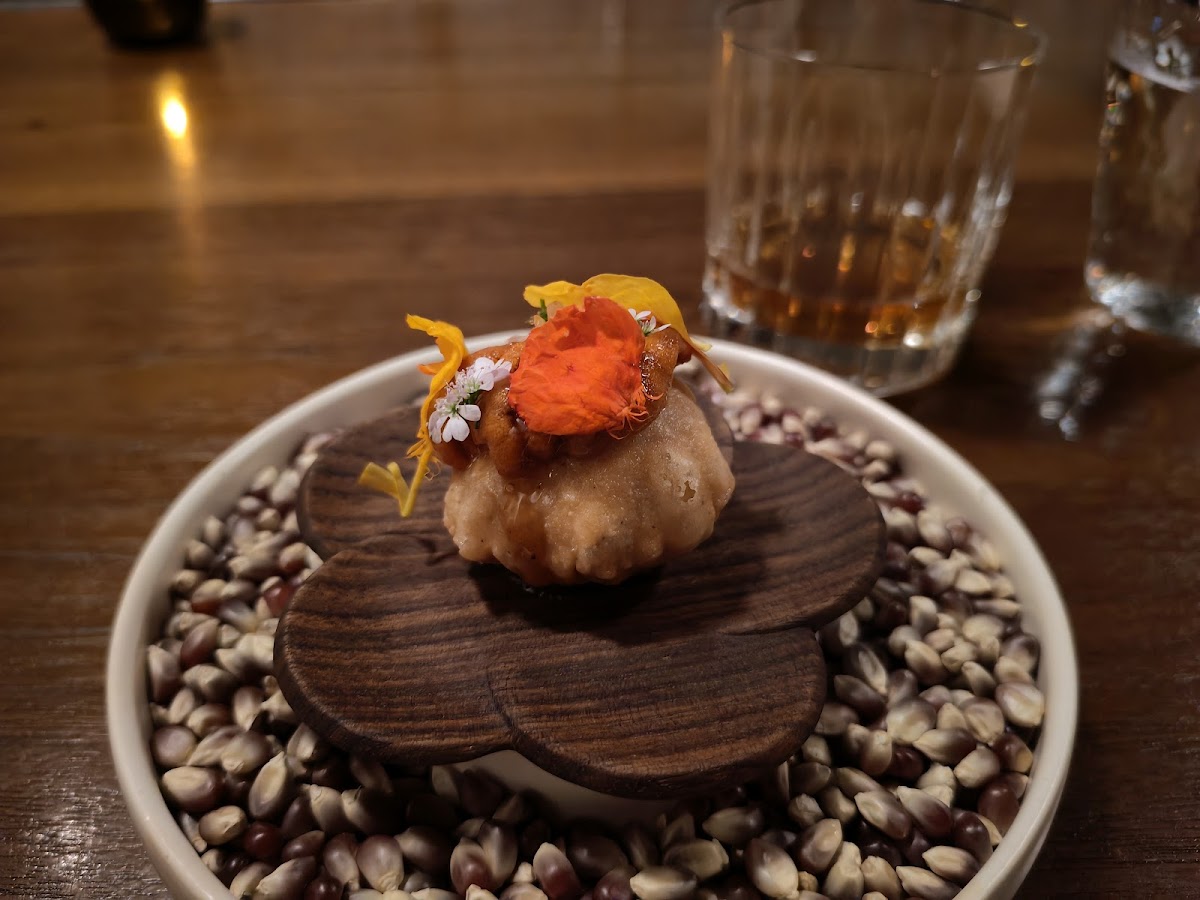
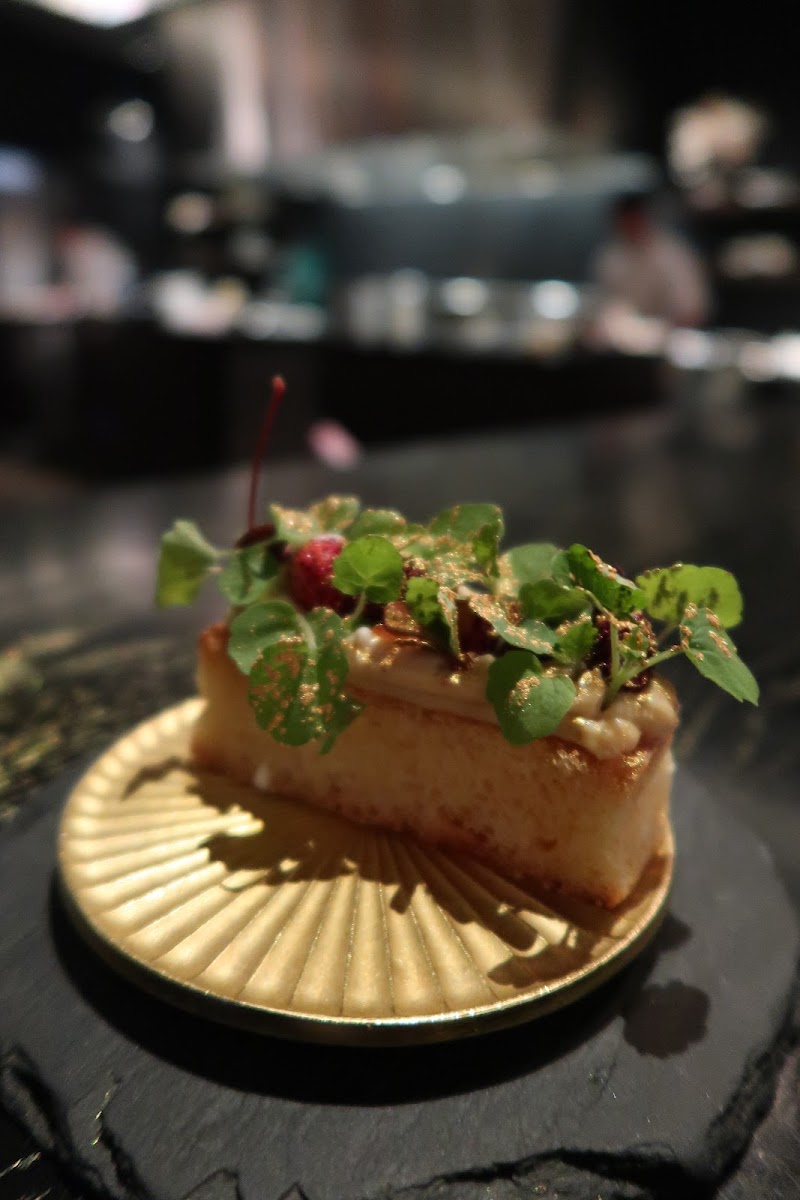
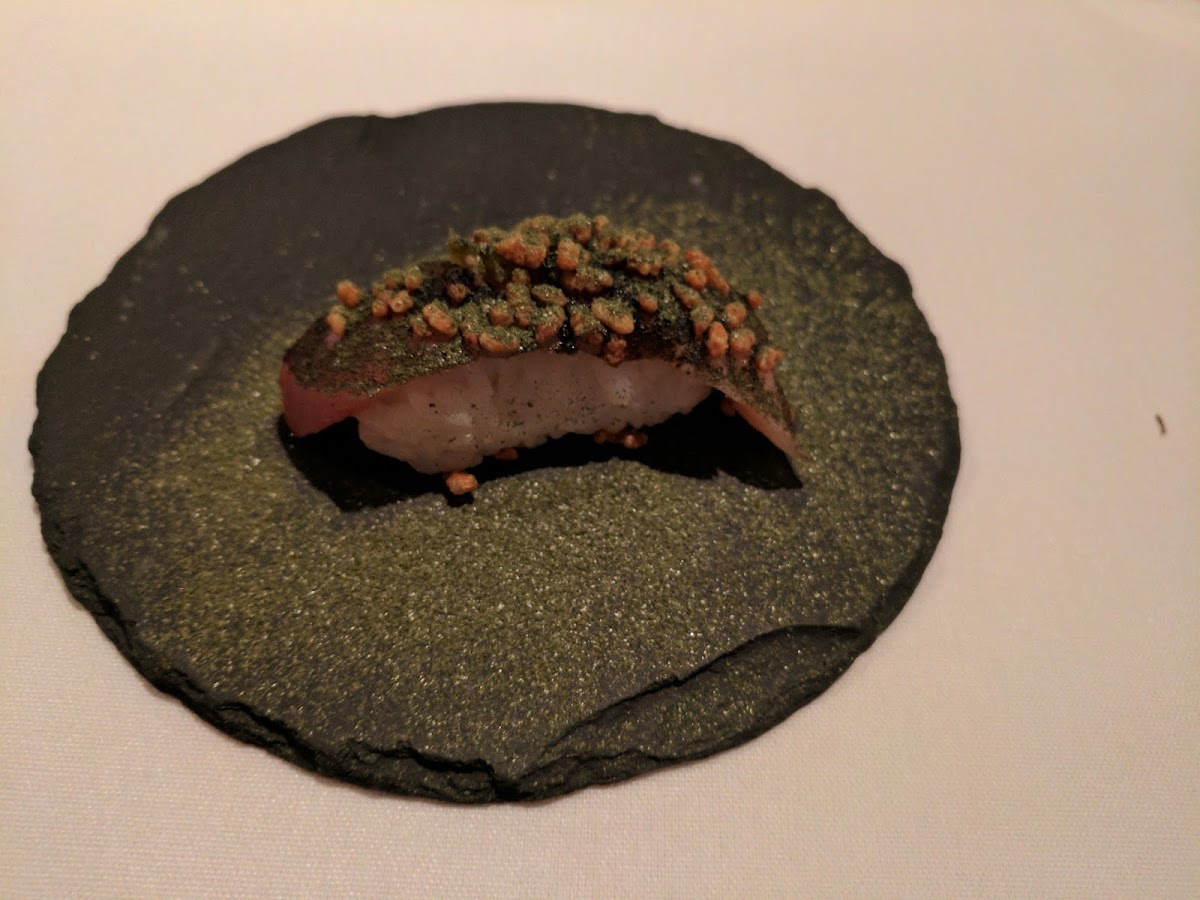
The menu itself isn’t static in the way most diners expect. Instead of flipping through pages, you’re guided course by course, with explanations that keep things approachable. When the server mentioned thoughtful restraint while describing a dessert that used only three ingredients, it sounded poetic, but the execution backed it up. Food scientists from Cornell University have published that limiting elements in a dish often heightens perception of quality, and you feel that theory at work here.
One afternoon, I watched a couple celebrating an anniversary, and the kitchen sent out a custom plate not listed on the menu. That kind of improvisation is risky in a restaurant with tight standards, yet it happens because the team rehearses workflows the way theaters rehearse scenes. A former manager once told me they practice new plating techniques during closed hours, which explains why service rarely stumbles even when the dining room is full.
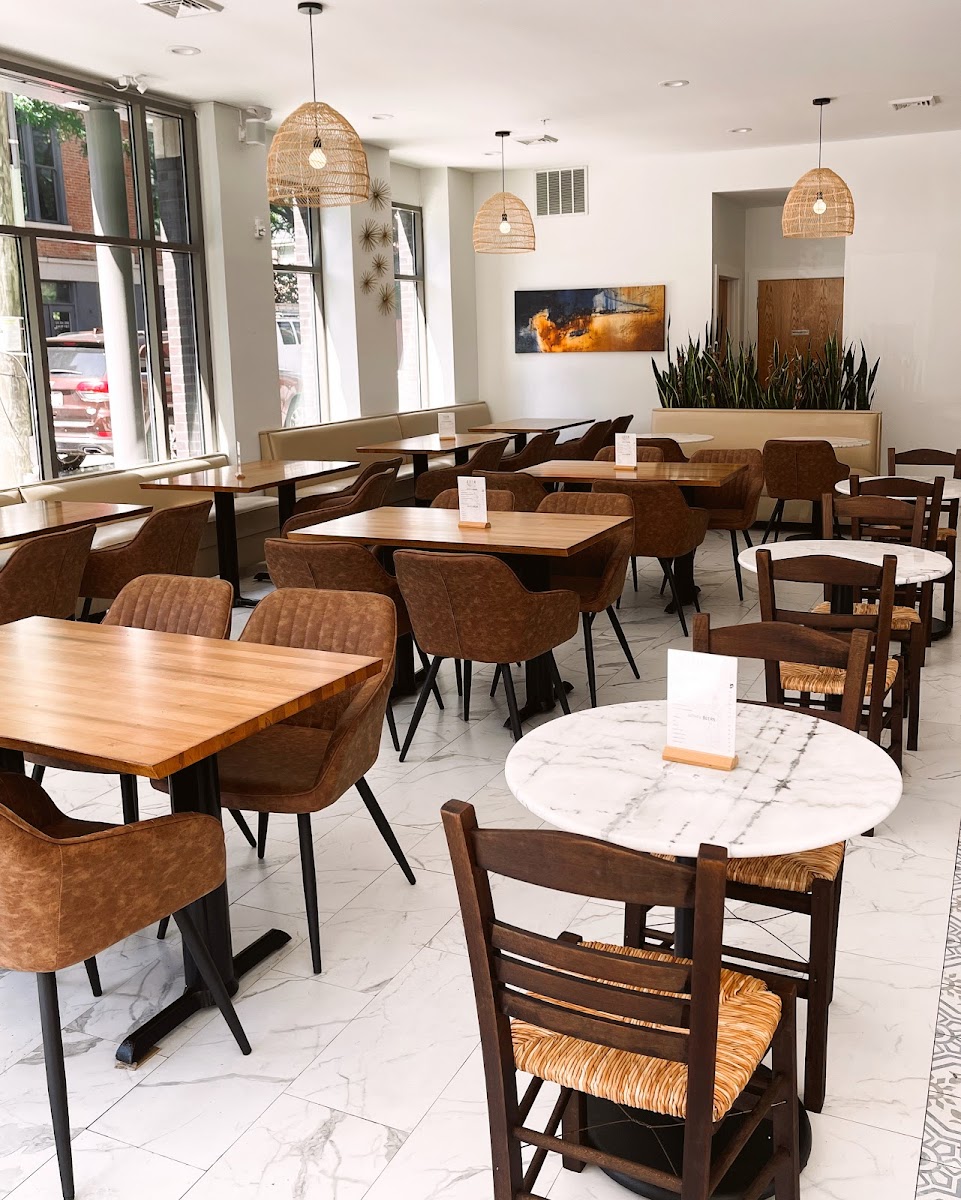
Chicago has no shortage of acclaimed locations, but few manage to combine luxury with warmth so seamlessly. You can dress up, or you can come straight from work; nobody blinks. The room design is understated, and the music stays low enough to hear your companions, a detail backed by studies from the University of Oxford showing lower ambient noise increases diner satisfaction by nearly 20%.
There are limitations, of course. The price point puts it out of reach for many, and last-minute reservations are tough, especially on weekends. Still, for anyone curious about where modern American fine dining is headed, this spot offers a living case study in how vision, training, and genuine hospitality intersect on the plate and in the room.